

Moor House Men's Club Blog
01

Beard care

Our Top Beard Care Tips

By M.S. Woodson

Man maintaining his beard care routine

A full beard is a classic style that can create a strong, defined appearance. Depending on your growth pattern, it can be worn short, medium-length, or long.

The key is maintaining its shape and caring for the hair and skin underneath.

Care tips for a full beard

  • Wash and condition as needed.
  • Apply beard oil and beard butter to help with softness and skin comfort.
  • Use balm when you want additional styling control.
  • Trim stray hairs and maintain your neckline and cheek lines according to your preference.

A full beard doesn’t need to be perfectly uniform to look good. It needs to be maintained.

The Goatee

The goatee has been part of Black men’s grooming culture for generations. It’s versatile, distinctive, and can work with different face shapes and personal styles.

Whether you prefer a neatly shaped goatee or a fuller chin-and-mustache combination, regular trimming is what keeps the look intentional.

Care tips

  • Keep the edges clean and defined.
  • Moisturize the chin area and surrounding skin.
  • Use a quality trimmer for maintenance.
  • Don’t overlook your mustache.

And yes, the goatee is still a classic. Some styles never need permission to remain relevant.

The Beard and Mustache

For men who want a connected or fuller facial hair look, a beard and mustache combination offers plenty of styling flexibility.

You can keep it short and professional, grow it out for more fullness, or shape it into a style that fits your personality.

The most important thing is maintaining balance between the beard and mustache. Regular trimming and conditioning can help keep both areas looking and feeling their best.

Stubble

Stubble is often considered a low-maintenance style, but that doesn’t mean no maintenance.

Short facial hair can still expose the skin to irritation, particularly if you’re trimming or shaving frequently. Keeping your tools clean and using suitable skin care products can help.

Care tips

  • Maintain your desired length with a clean trimmer.
  • Avoid excessive pressure when trimming.
  • Moisturize the skin after grooming.
  • Pay attention to irritation and ingrown hairs.

Sometimes a little stubble is all you need.

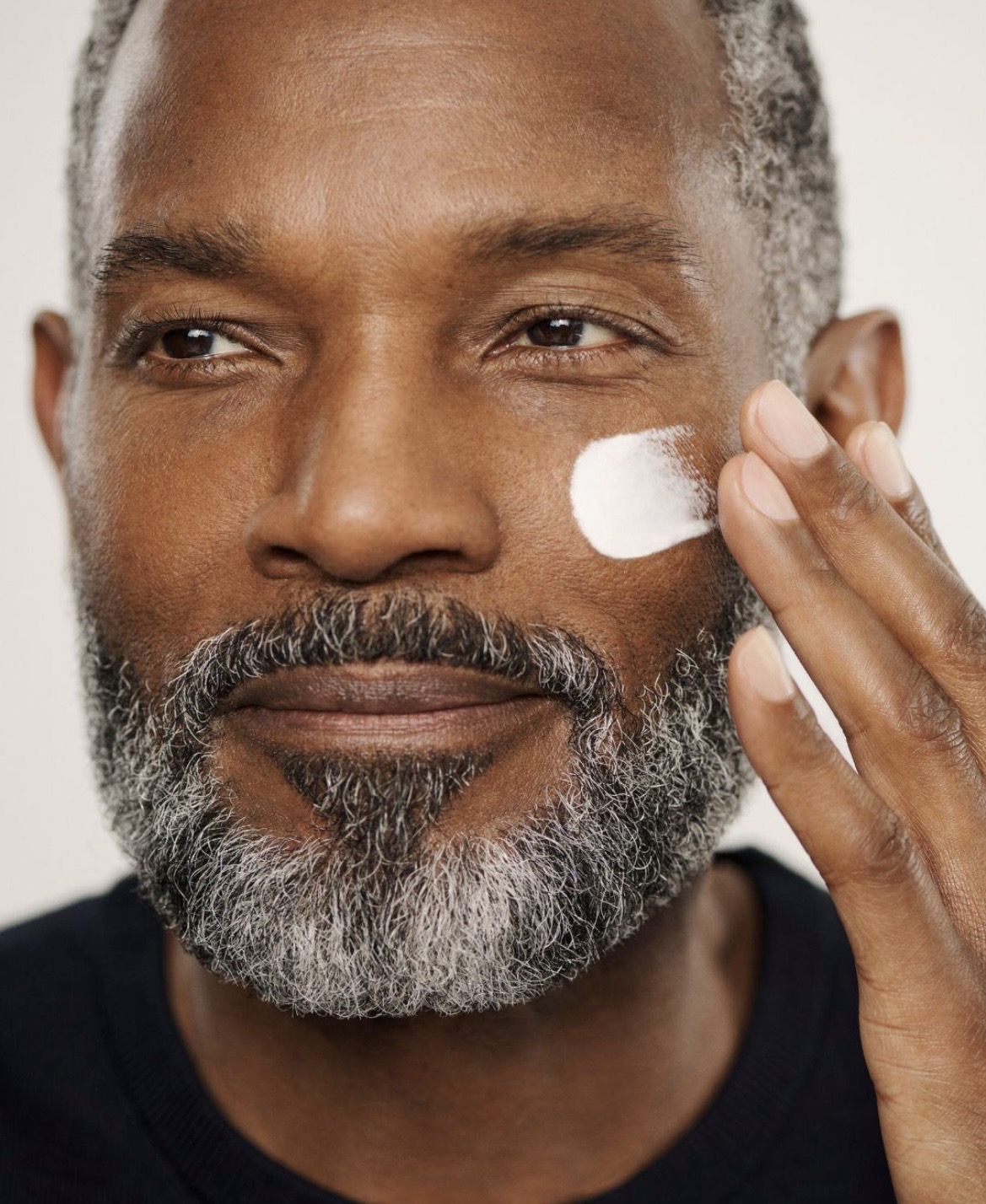
Man caring for a mature gray beard

A Step-by-Step Beard Care Routine

A good routine doesn’t have to take an hour. What matters is doing the basics consistently.

Step 1: Clean Your Beard

Use a gentle beard wash, like our Foaming Beard Wash, to remove dirt, sweat, and buildup. Adjust your cleansing frequency based on your beard and skin needs. Avoid aggressively scrubbing or using water that’s too hot.

Step 2: Condition

Apply your beard conditioner as directed. Conditioning can help improve softness and manageability, especially if your beard is coarse, curly, or prone to tangling. Rinse or leave in according to the product instructions.

Step 3: Moisturize

Apply beard oil to your beard and, where appropriate, the skin beneath it. Use enough to condition without leaving your beard excessively greasy. If your skin is sensitive, introduce new products gradually and monitor for irritation.

Step 4: Comb and Shape

A quality beard comb or brush can help distribute product, manage tangles, and shape your beard. Be gentle. Pulling aggressively through tightly coiled facial hair can cause unnecessary breakage.

Step 5: Style

Use beard balm when you need additional hold or want to shape your beard. A little product can go a long way. Your goal isn’t to cover your beard in product. It’s to help it look and feel the way you want.

Step 6: Maintain

Trim your beard regularly to maintain its shape and remove damaged or unwanted ends. How often you trim depends on your growth rate, beard length, and preferred style. A good beard doesn’t need daily trimming. It needs thoughtful maintenance.

Advanced Grooming: Derma Rolling and Hot Towel Treatments

There are plenty of grooming techniques making their way into men’s skin and beard care routines. Some can be useful, but they should be approached with realistic expectations.

Derma Rolling: Proceed With Care

Derma rollers use tiny needles to create controlled punctures in the skin. They’re sometimes marketed for beard growth and improved hair density.

However, derma rolling is not a proven guarantee for fuller beard growth, and improper use can cause irritation, infection, scarring, or skin damage.

If you’re considering microneedling, understand the risks and consult a qualified dermatologist or health professional, particularly if you have a skin condition or are unsure how to use the device safely. Don’t assume that more rolling equals more growth.

The Hot Towel Treatment

A warm towel can be a relaxing addition to your grooming routine. It can help soften facial hair and make the grooming experience feel more enjoyable.

Use comfortably warm water, not scalding hot water. Apply the towel for a short period, then follow with your preferred grooming products.

A hot towel is not necessary for products to work, and it doesn’t guarantee deeper absorption or increased hair growth. Think of it as a comfort and grooming ritual—not a miracle treatment.

How to Maintain a Healthier Beard

Stay Hydrated

Drinking enough water supports your body’s overall health. However, simply drinking more water doesn’t guarantee that your beard will grow faster or become thicker. Keep hydration part of your broader self-care routine.

Eat a Balanced Diet

Your hair and skin benefit from adequate nutrition. A balanced diet that includes protein, fruits, vegetables, whole grains, and other nutrient-rich foods supports general health. If you’re concerned about hair loss or a nutritional deficiency, speak with a qualified health professional rather than relying solely on supplements.

Avoid Harsh Products

Not every product marketed toward men is suitable for every beard or skin type. Pay attention to how your skin responds. Fragrance, certain ingredients, and strong cleansers may cause irritation for some people. Read the label. Know what you’re putting on your face.

Keep Your Grooming Tools Clean

Your combs, brushes, trimmers, and other tools come into regular contact with your skin. Clean and maintain them according to the manufacturer’s instructions. Don’t share tools without proper cleaning, and replace worn or damaged equipment when necessary. Your beard care routine is only as good as the habits behind it.

Common Beard Care Questions

How often should I wash my beard?

There isn’t one schedule that works for every man. Many people wash their beards several times a week, while others adjust based on activity, skin type, and product buildup. Use a gentle cleanser and pay attention to dryness or irritation.

Can I use regular shampoo on my beard?

You can, but whether it’s suitable depends on the formula and how your beard and skin respond. Scalp shampoos may be more cleansing than you need for facial hair. A gentle beard cleanser can be a useful option, but the label and your individual needs matter more than the product’s name.

How do I prevent ingrown hairs?

Use clean grooming tools, avoid shaving too closely if it causes problems, and maintain a gentle skin care routine. Avoid picking at bumps. If they persist, become painful, or show signs of infection, seek professional medical advice.

Can beard oil make my beard grow?

Beard oil can moisturize and condition your beard, helping improve its appearance and feel. We suggest adding Hemp Infused Beard Growth Oil to your routine. Results may vary, but this lightweight oil combines hemp seed extract with a blend of strengthening carrier oils that condition strands and deliver nutrients directly to the root.

What should I do about a patchy beard?

First, understand that beard growth patterns vary. Give your beard time to develop if you’re still growing it, and choose a style that works with your natural coverage. A well-shaped shorter beard or goatee may look more balanced than trying to force a style that doesn’t suit your growth pattern.

How often should I trim my beard?

Trim according to your desired style, growth rate, and how quickly your beard loses its shape. Some men may need frequent edge maintenance, while others can go longer between trims. There’s no universal schedule.

Can I use beard oil on my skin?

Many beard oils are designed for both facial hair and the skin beneath it. Check the product’s directions and ingredients, especially if you have sensitive skin. Perform a patch test when appropriate, and discontinue use if irritation develops.

Your Beard. Your Style. Your Routine.

Let’s stop treating grooming like something we only think about when we’re getting ready to go somewhere. Taking care of yourself should be part of your everyday life.

Whether you wear a goatee, a full beard, stubble, or prefer a clean-shaven face, your skin deserves attention. Your beard deserves care. And you deserve products that respect the texture and needs of your hair.

At Moor House Grooming For Men, we believe grooming should be about more than appearances. It’s about developing routines that help you feel confident, comfortable, and prepared to face the world.

From skin care to beard care, our goal is to help men take better care of themselves, whether their skin is normal, dry, or somewhere in between, and whether their beards are thick, coarse, curly, or tightly coiled.

You don’t need to follow every trend. You don’t need to look like the next man. Find your style. Build your routine. Take pride in your grooming.

Because looking good is one thing. Feeling good about the man looking back at you in the mirror? That’s something else entirely.

Explore Moor House Grooming For Men

02

Better habits

Common Beard Care Mistakes You Need to Stop Making Today

By M.S. Woodson

Man with a long beard in a dark portrait

Your beard deserves more than a quick wash and a little oil. Whether you’re growing your first beard, maintaining a full, thick beard, or caring for a mature gray or white beard, your grooming routine matters. The products you use, how often you use them, and how you treat the skin beneath your beard can make the difference between a healthy-looking, well-maintained beard and one that’s dry, itchy, brittle, and difficult to manage.

Let’s talk about some of the most common beard care mistakes—and what you should be doing instead.

1. Washing Your Beard Every Day With Regular Shampoo

Your beard isn’t the hair on your head, and it shouldn’t automatically receive the same treatment. Many conventional shampoos are designed to remove oil and buildup from the scalp and hair. Using harsh cleansers too frequently can strip away natural oils, leaving your beard and the skin underneath feeling dry and irritated.

The better approach: Use a gentle, dedicated beard wash formulated to cleanse without unnecessarily stripping moisture. Moor House Grooming For Men’s Organic Foaming Beard Wash is one option for incorporating a beard-specific cleanser into your routine.

Your beard needs to be clean—but it also needs to retain the moisture that keeps it soft, manageable, and comfortable.

2. Ignoring the Skin Beneath Your Beard

Here’s something every man growing a beard needs to understand: You aren’t just taking care of facial hair. You’re taking care of the skin that supports it.

If your entire routine focuses on the hair while ignoring the skin underneath, you’re only addressing half the job. Dryness, irritation, and flaking can begin at the skin level, where your beard products need to reach.

Cleanse your skin, moisturize regularly, and choose products that support both your facial hair and your skin type. Healthy-looking facial hair starts with a well-cared-for foundation.

3. Applying Too Much Product Before Bed

More product doesn’t always mean better results.

A nourishing beard butter can be useful as part of your nighttime conditioning routine. However, applying excessive amounts of heavy or wax-based beard balm styling products before going to sleep can leave residue on your pillowcase and make your beard feel weighed down.

Our recommendation: Save wax-based balms and stronger styling products for your daytime routine, when you need control and shape. At night, focus on conditioning and moisture without overloading your beard. Moisturize the skin beneath using skin night creams. Remember, beneath the beard is skin that needs TLC as well.

Man with a full, carefully groomed beard

4. Using the Same Routine All Year Long

Your beard and skin experience different conditions throughout the year. Cold winter air and indoor heating can contribute to dryness. Summer heat, sweat, and increased activity may require adjustments to your cleansing routine.

That doesn’t mean you need an entirely new collection of products every season. It means you should pay attention to how your skin and beard respond.

  • Winter: Focus on moisture and conditioning.
  • Summer: Adjust cleansing based on sweat, dirt, and buildup without over-washing.

5. Giving Up on a Product After One Week

Not every grooming product delivers the same experience, and not every formula will work for every man.

When introducing a new beard oil, butter, or balm, give yourself time to assess how your beard feels, how your skin responds, and whether the product fits your routine. A few weeks of consistent use can provide a more useful assessment than a single application.

However, don’t force yourself to continue using a product that causes irritation, burning, or an adverse reaction. Stop using it if your skin responds negatively. Consistency matters. So does listening to your skin.

6. Choosing Products Based Only on Price

Let’s be honest: the cheapest product on the shelf isn’t automatically the best value for your beard. It is usually far from it. Cheap products often use low-quality ingredients, including harsh chemicals.

Look beyond the price tag. Read the ingredient list. Consider the quality of the formulation, the ingredients used, and whether the product is designed for your specific skin and beard needs.

Natural, organic, and vegan ingredients can involve different sourcing and formulation costs, which is why they usually cost more than other brands. However, those labels alone don’t guarantee that a product is superior, safer, or more effective. Quality comes down to the actual ingredients, formulation, manufacturing standards, and how well the product works for you. We stand by our products; however, it’s for you to choose what works for you.

We Spoke With Some of Our New Customers

Their questions. Our answers.

Growing a beard comes with questions. How often should you wash it? Which products should you use? Do you need oil, butter, and balm—or all three?

We spoke with some of our new customers about their grooming concerns and compiled answers to some of the most common questions men have about caring for their beards.

What is the best beard care routine for beginners?

Keep it simple. Build a foundation before you complicate your routine. During the first 30–90 days of beard growth, focus on consistent cleansing, skin care, and moisture.

  • Cleanse: Use a gentle beard wash, beard-and-face soap, or cleanser as needed.
  • Morning: Apply beard oil to help condition the hair and moisturize the skin beneath it.
  • Night: If your beard or skin needs additional moisture, use a small amount of beard oil or a suitable conditioning product.
  • Styling: Introduce beard balm when you need hold and shape. Beard butter can be added for deeper conditioning.

You don’t need a dozen products to start taking care of your beard. Learn what your skin and hair need, then build from there. The biggest beginner mistake isn’t using too few products. It’s using too many products without understanding why.

How often should I wash my beard?

There is no single washing schedule that works for every beard. Your ideal frequency depends on your beard length, skin type, activity level, sweat, environment, and the products you use. Many men find that washing their beard several times a week works well, while others may need more frequent cleansing, like every two to three days.

If you work in a dirty or sweaty environment, you may need to cleanse more often. On days when your beard doesn’t need a full wash, a water rinse may be sufficient. The goal is clean—not stripped.

Do I need both beard oil and beard butter?

Not necessarily. But understanding what each product does can help you decide which products belong in your routine.

  • Beard oil: Helps condition facial hair and moisturize the skin beneath your beard.
  • Beard growth oil: May contain ingredients intended to support hair and skin care, but no beard oil guarantees increased growth. Customers have shared strong experiences with our Hemp Infused Beard Growth Oil.
  • Beard butter: Typically combines oils and natural butters to condition and soften without a firm hold.
  • Beard balm: Often contains wax for styling control, shape, and hold.

What’s the difference between beard balm and beard butter?

The primary difference is often hold versus conditioning. Beard balm typically includes beeswax or another wax to provide control and shape. Beard butter usually contains no wax and focuses on conditioning with oils and butters. In simple terms: balm helps shape. Butter helps condition.

How do I take care of a beard with oily skin?

Having oily skin doesn’t mean you should stop moisturizing your beard. The key is finding a cleansing and conditioning routine that removes excess buildup without leaving your skin feeling stripped or irritated.

  • Use a gentle beard-and-body cleanser suited to your skin.
  • Test cleansers containing ingredients such as African Black Soap, activated charcoal, or Dead Sea salt before stocking up.
  • Choose a lightweight beard oil if heavier formulas leave your skin feeling greasy.
  • Apply product sparingly and adjust the amount according to your beard length and needs.

Your goal is balance—not eliminating every trace of oil.

How do I take care of a beard with dry skin?

Dry skin requires a routine that prioritizes gentle cleansing, consistent moisture, and protection from conditions that contribute to dryness.

  • Avoid harsh cleansers and unnecessary over-washing.
  • Use a moisturizing beard wash or gentle cleanser.
  • Apply beard oil to the skin and hair, adjusting the amount to your needs.
  • Incorporate beard butter when additional conditioning is needed.
  • Use a suitable face and body moisturizer beneath and around your beard.

If dryness persists, or you experience redness, scaling, or irritation, consider speaking with a dermatologist to identify the underlying cause.

What’s the best routine for a long, gray, or white beard?

Long beards require patience, consistency, and the right approach to conditioning. Gray and white beard hair can feel coarser or drier for some men, although texture varies from person to person.

  • Cleanse: Use a gentle beard wash as needed.
  • Condition: Apply beard oil from the skin through the length of your beard.
  • Moisturize: Use beard butter when your beard needs additional softness.
  • Care for your skin: Include a suitable facial moisturizer.
  • Manage buildup: Avoid excessive product layering.

How long does it take to know if a beard care routine is working?

You may notice changes in softness, manageability, or how your skin feels within days or weeks. Other goals may require longer-term consistency and appropriate care. Assess your routine over two to five weeks, paying attention to how your skin and beard respond. If a product causes burning, itching, redness, or another concerning reaction, don’t wait weeks to stop using it.

Your Beard. Your Routine. Your Standard.

At Moor House Grooming For Men, we believe grooming is about more than appearance. It’s about taking the time to care for yourself, understanding what your skin and hair need, and choosing products with intention.

Whether you’re growing your first beard or maintaining a full, mature beard, the right care begins with consistency, knowledge, and quality ingredients.

Moor House Grooming For Men. Skin and beard care for the man who takes grooming seriously.

Man washing his face as part of his skincare routine
03

Skin care

Skincare for Black Men

The Complete Guide to Healthy, Hydrated, and Younger-Looking Skin

By M.S. Woodson

Dry skin · Oily skin · Anti-aging · Peptides · Eye creams · Moisturizers

Black Men, Your Skin Deserves More Than a Quick Wash

A practical guide to skincare, anti-aging, hydration, and building a routine that works for you.

Let’s talk about something every man should be paying attention to, regardless of age: skincare.

For too long, many men have treated skincare as an afterthought. Wash your face, dry it off, maybe apply a little lotion, and get on with the day. But your face deserves more attention than that.

Your skin is exposed to the environment every day. It experiences dryness, oil production, sun exposure, and the natural aging process. Taking care of it isn’t vanity. It’s maintenance, self-care, and an investment in yourself.

For Black men, understanding our individual skin needs is essential. Melanin-rich skin can experience concerns such as uneven skin tone, hyperpigmentation, dryness, and visible signs of aging. Our skin isn’t all the same, and neither should our skincare routines be.

Whether you’re in your 20s, 30s, 40s, 50s, or beyond, it’s never too early—or too late—to start taking better care of your skin.

We aren’t just a beard care brand. We’re a skin care and beard care brand, committed to helping men develop grooming routines that support healthy-looking skin and personal confidence.

Mature man applying moisturizer to his cheek

1. Know Your Skin: Dry, Oily, or Combination?

Before you start buying skincare products, understand what your skin needs. Not every man has the same skin type. The cleanser that works for someone with oily skin may not be the best choice for someone with dry or sensitive skin.

Dry Skin: When Your Face Needs More Moisture

Does your skin feel tight after washing? Do you experience rough patches, flaking, or an uncomfortable feeling throughout the day? You may have dry skin.

Dry skin can occur when your skin doesn’t retain enough moisture. Harsh cleansers, hot water, and environmental conditions can make dryness worse.

  • Gentle, non-stripping cleansers.
  • Hydrating ingredients that attract water to the skin.
  • Moisturizers that help reduce moisture loss.
  • Nourishing ingredients, such as shea butter, depending on the formulation.

Your goal isn’t to strip your skin of everything it naturally produces. It’s to cleanse effectively while supporting a healthy skin barrier.

Oily Skin: More Oil Doesn’t Mean No Moisturizer

If your face becomes shiny throughout the day, particularly around your forehead, nose, and chin, you may have oily skin. Oily skin produces more sebum, the natural oil made by your skin. Excess oil can contribute to clogged pores and breakouts in some people.

Oily skin still needs moisturizer. Trying to eliminate every trace of oil through aggressive washing can irritate your skin and leave it feeling tight or dry.

A lightweight moisturizer, such as Moor House Grooming For Men Premium Oil-Free Hydrating Gel, may be worth exploring if it suits your skin’s needs.

Combination Skin: When Your Face Has Different Needs

Some men experience oiliness in certain areas and dryness in others. Your forehead and nose may be oily, while your cheeks feel dry or tight. If that’s your skin type, focus on addressing your skin’s different needs rather than treating your entire face with harsh products.

2. Thoroughly Washing Your Face: The Foundation of Skincare

Your skin encounters sweat, excess oil, dirt, environmental pollutants, and skincare products throughout the day. A gentle facial cleanser helps remove buildup while supporting a comfortable skin barrier.

Man rinsing his face during his skincare routine

How to Wash Your Face Properly

  • Use lukewarm water. Very hot water can worsen dryness and irritation.
  • Apply a facial cleanser. Gently work it across your forehead, cheeks, nose, chin, and jawline.
  • Don’t forget overlooked areas. Pay attention to the sides of your nose, hairline, jaw, and the skin beneath your beard.
  • Rinse and pat dry. Avoid aggressive rubbing with a towel.
  • Follow with moisturizer. This helps keep your skin hydrated and comfortable.

For many people, cleansing in the morning and evening works well. If your skin becomes dry or irritated, adjust your cleanser or how frequently you use it. The goal isn’t to wash your face until it feels stripped. The goal is clean, comfortable, well-maintained skin.

3. Your Morning Skincare Routine

A good morning routine doesn’t need to be complicated. You need a few products that address your skin’s needs and a commitment to using them consistently.

Step 1: Cleanse

Start your morning with a gentle facial cleanser to remove excess oil, sweat, and residue.

Step 2: Apply an Eye Cream

The skin around your eyes is delicate and may show signs of dryness, fine lines, and puffiness. A well-formulated eye cream can help address specific concerns, depending on its ingredients.

Step 3: Moisturize

Your moisturizer helps hydrate your skin and support its protective barrier. Choose products based on your skin type and preferences.

Step 4: Apply Sunscreen

Black skin contains melanin, but melanin does not make skin immune to ultraviolet radiation or sun damage. Broad-spectrum SPF 30 or higher helps protect against UV exposure, premature skin aging, and sun-related hyperpigmentation.

4. Your Nighttime Skincare Routine

Your evening routine is an opportunity to cleanse away the day and give your skin the care it needs before bed. You don’t need an overwhelming collection of products. You need a routine that you can maintain.

Step 1: Cleanse Your Face

Remove sunscreen, excess oil, sweat, and daily buildup using a suitable facial cleanser.

Step 2: Exfoliate When Needed

Exfoliation can help remove dead skin cells, but overdoing it can cause irritation, dryness, and damage to your skin barrier.

Step 3: Apply Your Eye Treatment

If you’re using an eye cream or treatment, follow its application instructions. Products containing peptides or other targeted ingredients may help address the appearance of fine lines and dryness.

Step 4: Apply Your Night Cream

Consider Moor House Grooming For Men Premium Anti-Age Night Cream or Premium Peptide Ageless AM/PM Cream as options to explore within our collection. Your routine should work for your skin—not simply follow every trend you see online.

5. Anti-Aging Eye Creams and Peptides

The skin around your eyes is thinner and more delicate than much of the skin on your face. Fine lines, dryness, and puffiness can become more noticeable as we age.

Aging is a natural part of life, but taking care of your skin can help you maintain a healthy and well-hydrated appearance.

What Are Peptides?

Peptides are short chains of amino acids used in many skincare products. Certain peptides are included in formulations designed to support the appearance of skin firmness and reduce the visible appearance of fine lines. Their effectiveness depends on the specific ingredients, concentration, formulation, and consistent use.

Moor House Grooming For Men Peptide Skincare

If anti-aging skincare is a focus of your routine, explore Premium Peptide Age-Defying Eye Cream, Men’s Organic Multi-Action Anti-Aging Under Eye Cream, Premium Peptide Anti-Aging Serum, and the Premium Anti-Age Peptide Collection. Choose products based on their ingredients, directions, and the concerns you want to address.

A good anti-aging routine isn’t about chasing youth. It’s about taking care of the skin you have.

6. Face Scrubs: Remove Dead Skin Cells Without Overdoing It

Dead skin cells naturally shed from your skin. Exfoliation can help remove some of the surface buildup and improve how your skin feels. But aggressive scrubbing can irritate your skin, particularly if you already experience sensitivity or dryness.

Physical Exfoliation

Physical exfoliants use particles or tools to help remove surface dead skin cells. The texture and abrasiveness of a product matter. A harsh scrub can be more irritating than a gentle one.

Chemical Exfoliation

Chemical exfoliants use ingredients such as AHAs or BHAs to help loosen and remove dead skin cells. Some formulations may be useful for uneven texture or clogged pores, but they aren’t suitable for every skin type.

How to Exfoliate Responsibly

  • Choose a facial exfoliant appropriate for your skin.
  • Follow the product’s directions.
  • Avoid excessive pressure.
  • Don’t exfoliate irritated or damaged skin.
  • Reduce use if you experience dryness, burning, or persistent irritation.
Explore the skincare collection